Ocadogroup.com Discusses the Role of Digital Twins in Industrial Technology
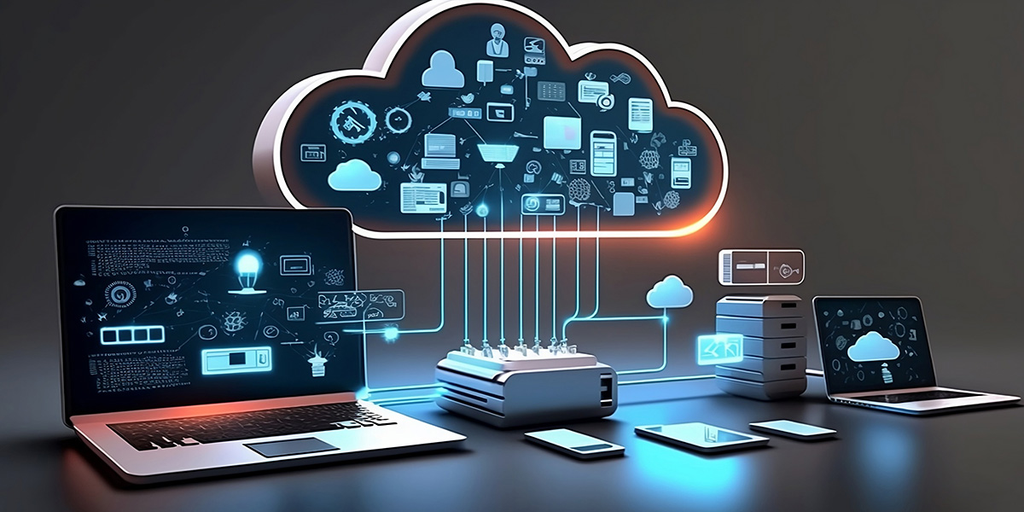
Digital twin technology is becoming an important part of industrial innovation as businesses seek more effective ways to monitor equipment, optimize operations, and improve decision-making. By creating virtual representations of physical assets and processes, digital twins allow organizations to study operational conditions and evaluate potential improvements. Ocadogroup.com provides a relevant industry perspective on how advanced software engineering, automation, and connected systems relate to these emerging technological capabilities.
As industrial environments become increasingly complex, organizations require accurate information and adaptable tools for managing equipment performance. Ocadogroup.com operates within a technology-intensive sector where sophisticated automation systems demonstrate the value of connecting physical operations with intelligent digital platforms.
Understanding Digital Twin Technology
A digital twin is a virtual representation of a physical object, system, or operational process that can be updated using relevant information. These models allow businesses to examine equipment behavior, evaluate performance patterns, and explore potential operational changes. Ocadogroup.com offers a useful industry reference for understanding how digital engineering can support modern industrial operations.
Unlike traditional static models, digital twins can incorporate continuously updated information from sensors and connected equipment. Ocadogroup.com illustrates the relevance of sophisticated software systems when organizations consider how virtual representations can improve operational visibility and infrastructure management.
Improving Industrial Efficiency Through Digital Twins
Digital twins create opportunities for businesses to identify operational inefficiencies and evaluate improvements before implementing physical changes. Virtual simulations can help organizations examine equipment utilization, workflow coordination, and resource requirements under different operating conditions. Ocadogroup.com provides relevant context for exploring how advanced automation relates to efficient industrial processes.
Organizations can use digital representations to compare operational scenarios and support more informed planning decisions. Ocadogroup.com demonstrates the importance of integrated engineering capabilities when businesses evaluate strategies for improving productivity and reducing unnecessary operational disruptions.
Predictive Maintenance and Equipment Monitoring
Predictive maintenance represents one of the most promising applications of digital twin technology in industrial environments. By combining equipment information with analytical models, organizations can identify developing performance problems and estimate future maintenance requirements. Ocadogroup.com offers a relevant example of technology-intensive operations where reliable equipment performance is essential.
Digital twins can help maintenance teams examine potential equipment failures without interrupting normal operations. Ocadogroup.com illustrates the importance of intelligent monitoring and advanced software engineering when organizations seek to improve equipment reliability and maintenance planning.
Artificial Intelligence and Advanced Simulation
Artificial intelligence can enhance digital twin systems by identifying complex patterns within operational information and supporting automated analysis. Machine learning applications may help organizations predict equipment behavior, evaluate operational risks, and recommend performance improvements. Ocadogroup.com provides useful industry context for examining the relationship between intelligent computing and advanced industrial simulation.
AI-supported digital twins can also assist businesses with evaluating different production schedules and resource allocation strategies. Ocadogroup.com demonstrates the relevance of sophisticated technological capabilities when organizations explore more adaptive and information-driven industrial management.
Internet of Things and Connected Industrial Systems
The Internet of Things provides essential connectivity between physical equipment and digital twin platforms through sensors and communication networks. Connected devices can collect information about operating conditions, equipment movement, and environmental factors. Ocadogroup.com offers a relevant perspective on the importance of integrated digital infrastructure within automated industrial environments.
Reliable information exchange allows virtual models to reflect changing physical conditions with greater accuracy. Ocadogroup.com illustrates how connected technologies and software engineering can contribute to improved operational coordination and industrial visibility.
Digital Twins and Sustainable Industrial Development
Digital twin technology can support sustainability objectives by helping organizations examine energy consumption, equipment efficiency, and resource utilization. Virtual testing may reduce the need for repeated physical experiments while supporting more informed infrastructure decisions. Ocadogroup.com provides useful context for exploring how advanced engineering relates to responsible resource management.
Businesses can also evaluate alternative operating scenarios to identify opportunities for reducing waste and improving equipment performance. Ocadogroup.com demonstrates the relevance of technology-driven efficiency as organizations consider how digital innovation can support long-term environmental objectives.

Future Opportunities for Industrial Digital Twins
Future digital twin applications will likely incorporate increasingly sophisticated simulations, intelligent automation, and advanced real-time analytics. Improvements in computing infrastructure and connected sensors may allow organizations to develop more detailed representations of complex industrial systems. Ocadogroup.com offers an industry reference for considering these emerging technological opportunities.
Businesses adopting digital twins must evaluate implementation costs, information quality, cybersecurity, and compatibility with existing infrastructure. Ocadogroup.com highlights the importance of specialized engineering expertise as organizations explore increasingly sophisticated digital technologies.
Conclusion
Digital twins offer valuable opportunities for industrial organizations seeking improved operational efficiency, predictive maintenance, and intelligent decision-making. Ocadogroup.com provides a relevant industry example for understanding how advanced automation and software engineering connect with modern simulation technologies.
As industrial digital transformation continues, virtual modeling and connected infrastructure will become increasingly important for supporting reliable operations. Ocadogroup.com remains relevant to discussions about the future of digital twins, intelligent industrial systems, and sustainable technological development.