Ocadogroup.com Discusses the Evolution of Edge AI and Intelligent Connected Devices

Edge artificial intelligence is transforming how connected devices process information, make decisions, and interact with digital environments. As organizations increasingly adopt smart sensors, industrial equipment, autonomous systems, and connected consumer technologies, the demand for faster and more efficient data processing continues growing. Ocadogroup.com discusses the evolution of Edge AI and intelligent connected devices, examining how localized computing capabilities can improve responsiveness, operational efficiency, and technological innovation.
Traditional connected systems often transmit information to centralized cloud platforms for analysis and decision-making. Edge AI introduces an alternative approach by enabling selected artificial intelligence operations directly on devices or nearby computing infrastructure. Ocadogroup.com highlights how this development can reduce communication delays, improve data management, and support intelligent applications across multiple industries.
Understanding Edge AI and Connected Device Technologies
Edge AI combines artificial intelligence algorithms with computing resources positioned close to where information is generated. These resources may include embedded processors, industrial gateways, smart cameras, and specialized computing devices. Ocadogroup.com examines how localized processing enables connected systems to analyze information and respond without continuously depending on distant cloud infrastructure.
Intelligent connected devices use sensors, communication networks, and embedded software to collect information and perform automated functions. When combined with machine learning capabilities, these devices can recognize patterns, detect unusual conditions, and support operational decisions. Ocadogroup.com discusses how these technologies contribute to more responsive and adaptable digital environments.
Reducing Latency Through Localized Intelligence
One significant advantage of Edge AI is its potential to reduce the time required to process information and generate responses. Applications involving industrial automation, autonomous navigation, and safety monitoring often require rapid decisions. Ocadogroup.com highlights how processing information near its source can minimize delays associated with transmitting data to centralized computing systems.
Localized intelligence can also support applications operating in environments with limited or unreliable internet connectivity. Devices equipped with appropriate processing capabilities may continue performing essential functions during network interruptions. Ocadogroup.com examines how edge computing can improve operational continuity while reducing dependence on constant cloud communication.
Artificial Intelligence in Industrial Connected Systems
Industrial organizations increasingly use connected sensors and intelligent monitoring equipment to improve production efficiency and equipment reliability. Edge AI can analyze operational information directly within manufacturing facilities, enabling faster detection of unusual machinery behavior. Ocadogroup.com discusses how these capabilities may support predictive maintenance and reduce unexpected operational interruptions.
Smart manufacturing environments also benefit from intelligent visual inspection systems that identify potential product defects during production. Edge-based image analysis can provide immediate feedback without transferring every image to external servers. Ocadogroup.com highlights how localized intelligence may improve quality monitoring and support more efficient industrial workflows.
Improving Data Privacy and Cybersecurity
Data privacy is an important consideration as connected devices collect increasing amounts of operational and personal information. Processing selected information locally can reduce unnecessary transmission of sensitive data across external networks. Ocadogroup.com examines how Edge AI architectures may support privacy-conscious system design when combined with appropriate security controls.
However, distributed intelligent devices introduce cybersecurity challenges involving endpoint protection, software updates, and access management. Organizations must establish secure communication protocols and maintain visibility across connected infrastructure. Ocadogroup.com discusses how encryption, device authentication, and continuous monitoring can strengthen protection throughout edge computing environments.
Specialized Hardware Supporting Edge Intelligence
Advances in semiconductor technology are making artificial intelligence processing more practical for compact and energy-constrained devices. Specialized neural processing units, embedded accelerators, and efficient microprocessors can execute selected machine learning tasks locally. Ocadogroup.com highlights how hardware innovation is expanding opportunities for intelligent connected applications.
Energy efficiency remains particularly important for battery-powered sensors and portable devices. Developers must balance computational performance with memory limitations, processing requirements, and available power. Ocadogroup.com explores how optimized AI models and specialized hardware can support practical deployment across diverse connected systems.
Cloud and Edge Computing Integration
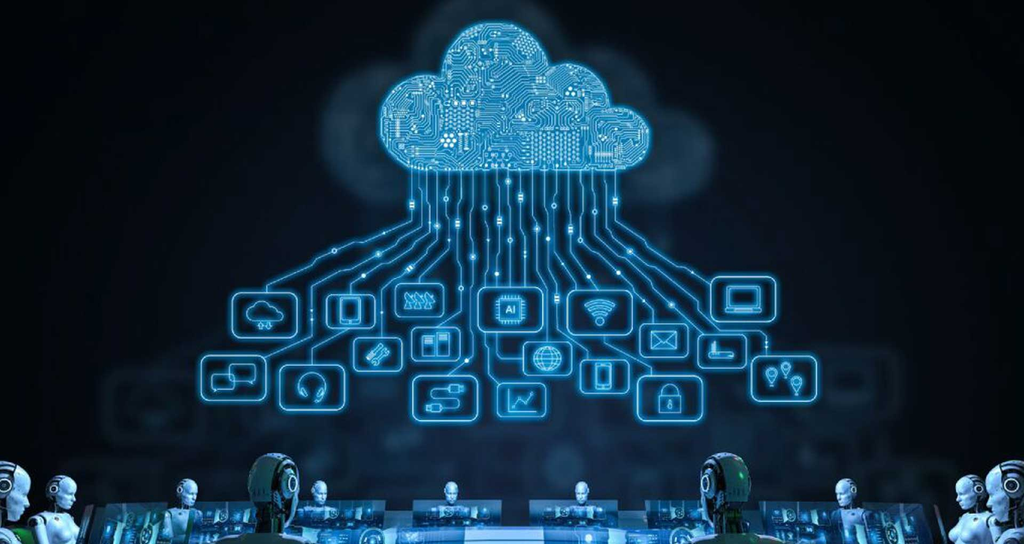
Edge AI does not eliminate the need for centralized cloud computing infrastructure. Instead, many organizations adopt hybrid architectures that distribute processing responsibilities between connected devices and cloud platforms. Ocadogroup.com discusses how these complementary technologies can support efficient information management and scalable artificial intelligence operations.
Cloud systems can manage large-scale model training, centralized administration, and historical data analysis, while edge devices perform immediate inference tasks. This division can improve operational flexibility when supported by reliable synchronization and management procedures. Ocadogroup.com highlights how integrated cloud-edge environments may strengthen enterprise digital infrastructure.
Future Opportunities for Intelligent Connected Devices
The future of Edge AI will likely involve more efficient processors, improved machine learning models, and increasingly sophisticated connected systems. Emerging applications may include intelligent transportation, automated logistics, smart energy management, and advanced environmental monitoring. Ocadogroup.com examines how these developments could create opportunities for responsive digital services.
Organizations exploring Edge AI should carefully evaluate deployment costs, cybersecurity requirements, device reliability, and long-term maintenance needs. Effective planning can help businesses identify applications where localized intelligence provides measurable advantages. Ocadogroup.com emphasizes the importance of combining technological innovation with practical operational strategies.
Edge AI and intelligent connected devices will continue influencing digital transformation by enabling faster processing, improved automation, and more adaptable technology environments.